Writing
The Grammata composition flow - choose a form, type, choose a style, publish.
Writing a page is a three-step flow. You always see what you are publishing before you publish it.
Forms
| Form | Shape | Use it for |
|---|---|---|
| Haiku | 3 lines, soft 5-7-5 syllable guidance | A single moment, an image, a turn |
| Tanka | 5 lines, soft 5-7-5-7-7 | Haiku with two reflective lines that expand it |
| Sonnet | 14 lines, three quatrains + couplet, ABAB CDCD EFEF GG | A full Shakespearean argument |
| Basic page | Free-form, up to 1000 characters | Essays, prose, anything that doesn't fit a fixed form |
| Open letter | Title + recipient + 1000 char body | Public statements anyone can co-sign |
Character limits guide - they do not block. Syllable counters show three tiers (ok, soft warning, over) but never prevent publishing.
Styles
The style is the visual layer the platform applies to your content. The same haiku takes on a completely different feel in different styles:
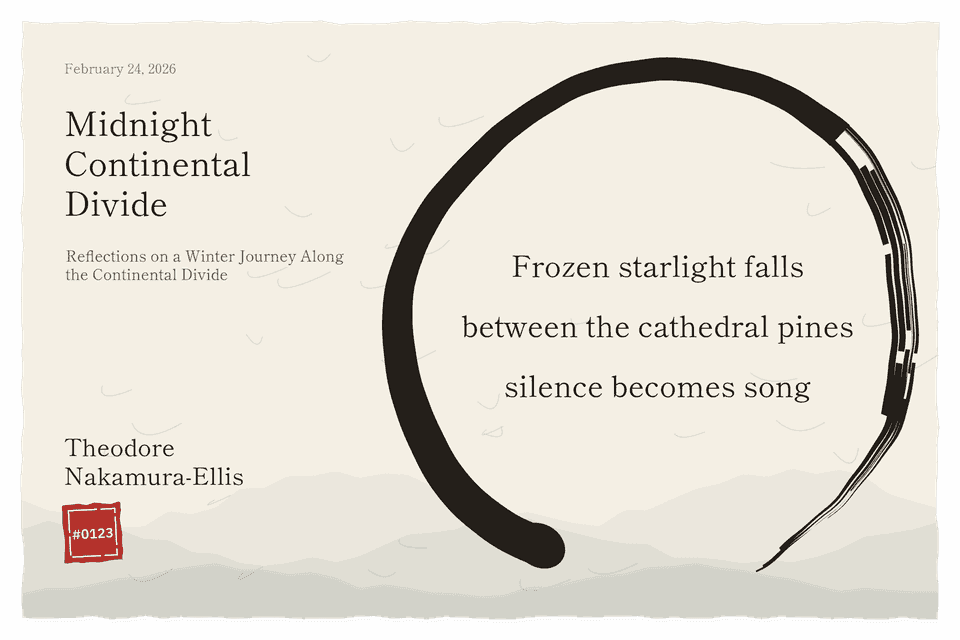
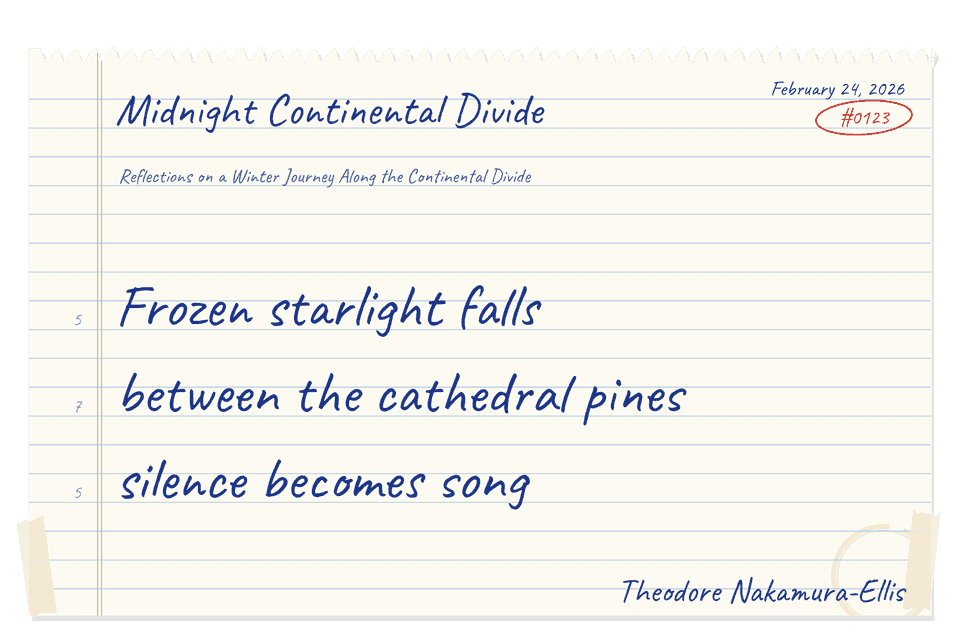
Each style is published by an artist. When a reader collects your page, the artist earns a royalty automatically - no licensing deal to negotiate, no per-page payment to chase.
Customize the fine print
The review step shows a "customize the fine print" expand. By default it stays closed and your page publishes with sensible defaults. Inside you can:
- Adjust the edition cap (how many copies can be kept, or unlimited)
- Set a custom price for what readers pay to keep a copy
- Add collaborators with their share of every collect
- Direct a percentage to an approved funding group
Nothing here is required. If you do not touch it, the protocol applies the defaults and you keep the majority of every collect.
What gets published
When you click publish, the protocol records:
- Your page content (title, subtitle, lines) - permanent
- The style you chose - the artist gets a royalty on every future collect
- Your revenue split - frozen at publish, applies to every future collect
- The ownership address - your wallet is the creator
After that moment, your page is on the network. It is yours, it is permanent, and it can be collected.